When robots rule the road, who's responsible for safety?
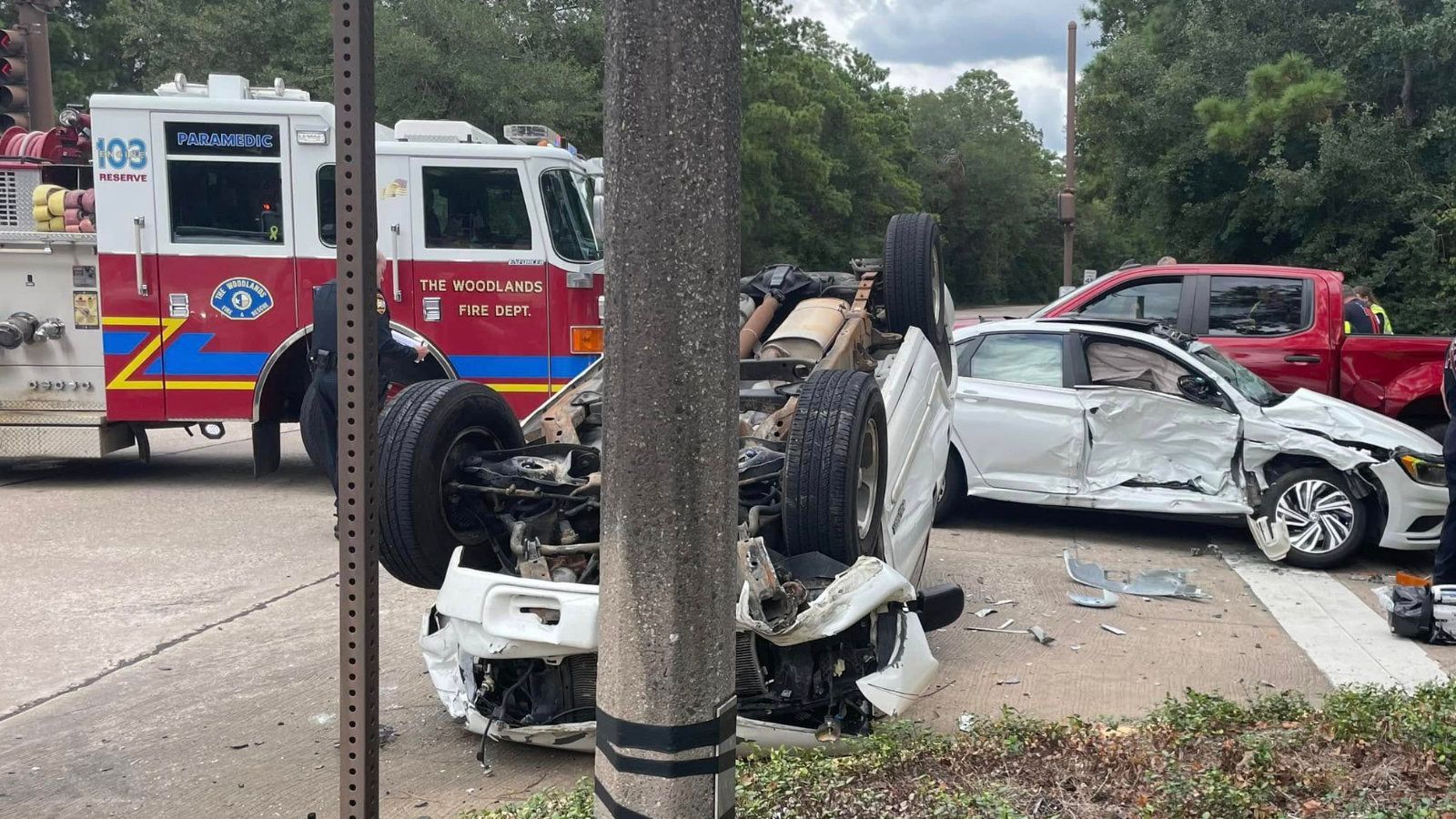
A Tesla operating in Full Self-Driving (FSD) mode swerved without warning into oncoming traffic and collided with a Cadillac Escalade in Issaquah, Washington, on July 29th, 2026. The impact severed the rear third of the Tesla from the front of the car but, remarkably, no one was injured. Police stated, “even if your car has a full or partial self-driving system, you are still responsible for the safe operation of the car."
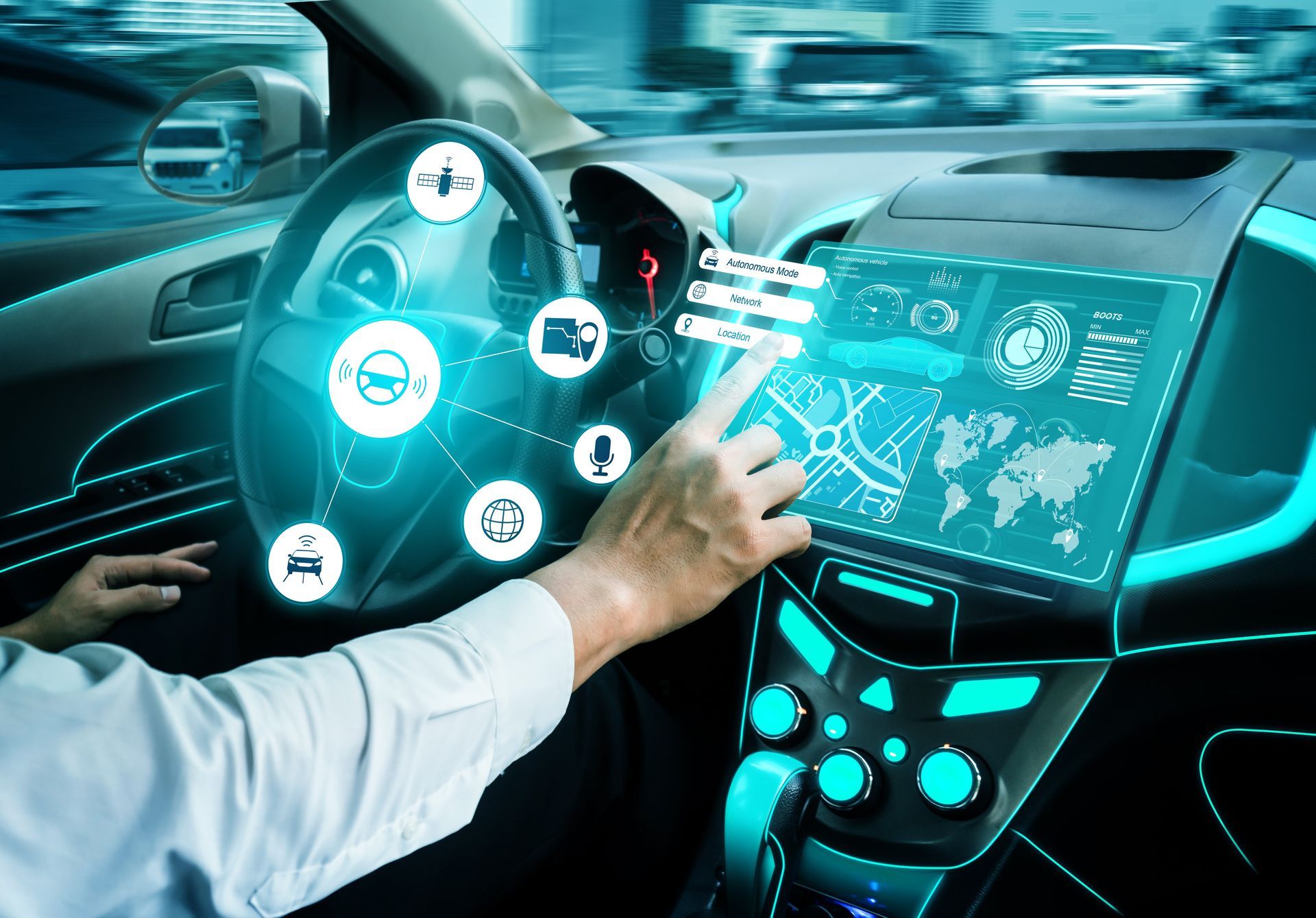
Regrettably, this is only the most recent of many incidents leaving Americans with deep concern for the future autonomous and semi-autonomous vehicles become more prevalent on our roadways.
Tesla Trouble
Tesla's "full self-driving", or "FSD", system has been implicated in dozens of fatalities:
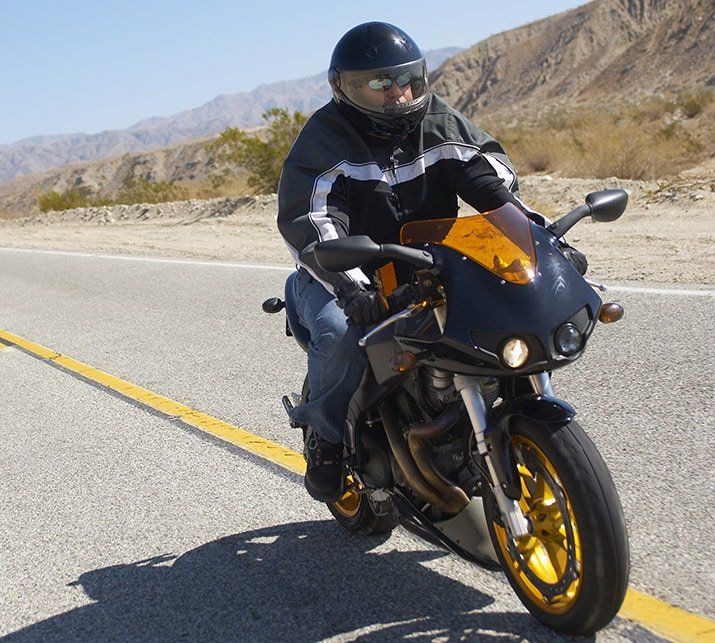
In Florida, a Tesla in "self-driving mode" left the road and drove into a pond, fatally injuring the victim. In Washington state, a Tesla driver was arrested for vehicular homicide after an incident on Highway 522 where the driver was allegedly distracted while using Autopilot, resulting in a fatal collision with a motorcyclist.
A Tesla Cybertruck owner in Texas has sued Tesla for $1 million, alleging that Tesla’s Full Self-Driving (FSD) system lead to a crash that resulted in serious injuries. The lawsuit claims that the vehicle’s FSD system steered her Cybertruck toward a concrete barrier while traveling along the 69 Eastex Freeway in August of last year.
These incidents are just a few among many involving Tesla’s Autopilot and Full Self-Driving capability features. Despite the name and some promotional material associated with the feature, Tesla states that its Autopilot does not represent true autonomous operation and “is intended for use with a fully attentive driver, who has their hands on the wheel and is prepared to take over at any moment.”
Waymo Problems, Fewer Answers
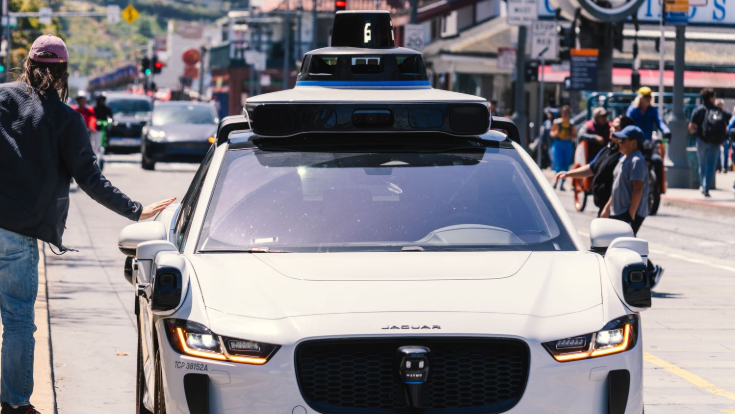
Google-owned robotaxi company Waymo has also faced scrutiny concerning its operational performance, particularly in Texas. Following a tragic mass shooting in Austin,
news footage showed a Waymo vehicle obstructing the path of first responders attempting to access the scene, causing delays.
Waymo declined to attend a public meeting with Austin City Council after blocking first responders from the scene of the mass shooting.
Dallas firefighters were blocked from a deadly apartment blaze on June 4th by a stalled Waymo, according to body camera footage from Dallas County Precinct 5. According to Fox 4 News reporter Tracy DeLatte, "with no driver behind the wheel, the deputy constable had to get inside the vehicle to clear the street so emergency crews could reach the scene."
Furthermore, reports have surfaced of Waymo vehicles driving the wrong way on frontage roads, coming to a stop in the middle of railroad crossings, and driving into dangerously flooded roads.
Safer Than Humans?
Some studies have indicated that autonomous vehicles can be as safe, or even safer, than human drivers in normal traffic and weather conditions. After all, a computer cannot become intoxicated, experience road rage, or get distracted by passengers. A report from the RAND Corporation suggested that autonomous vehicles could be as much as 10% safer than cars driven by people.
A newer study published by the IIHS analyzed the number of accidents per mile driven by Waymo compared to human drivers, and also found the Waymo to have substantially fewer collisions. However, study authors noted problems with the data: it was self-reported by Waymo, and only 22% of the incidents listed could be used in the study. Moreover, the numbers varied wildly:
Waymo was supposedly 71% safer than humans in Los Angeles, but 4% less safe than human drivers in Austin, Texas.
Another analysis published in the journal
Nature Communications found that while autonomous vehicles were less likely to experience rear-end collision, they were
no less likely to be involved in head-on collisions. Additionally, complex environments like
work zones and freeway construction detours have posed a serious challenge for autonomous driving systems:
“On April 11 and 19, Waymo vehicles in Phoenix drove past ramp closure signs into preplanned construction zones. Waymo's Field Safety Committee responded by restricting freeway operations. Then, on May 18, seven Waymo vehicles in the San Francisco Bay Area drove between construction cones into active lane closures.”
One Waymo passenger in San Francisco recounted
being taken through a clearly-marked construction zone:
"There were signs. There were lights. There were cones. And it went through the cones and then sped up straight away," [passenger Elliot] Slade said. To make matters even worse, Slade said a nearby highway patrol car began chasing them after seeing what was going on. "Shouting, 'Stop Waymo. Stop Waymo. Stop Waymo.' We're like- what the heck is going on?" Slade said.
And, as we will see below, self-reported statistics from the companies themselves have been challenged by independent researchers, and the vehicles are not always as autonomous as they claim.
Deceptive Safety Metrics
While Tesla makes bold claims about its safety record, an investigation by Reuters contends the company’s analysis is flawed, at best. For instance, Tesla compares only incidents where Tesla airbags deployed to all collisions recorded by NHTSA, including lower-severity accidents where airbags were not deployed.
Also, by comparing Tesla’s relatively new fleet with the significantly older average vehicle on the road, Tesla has created a distorted and unreliable benchmark for its safety performance, according to Reuters. All newer cars, not only Teslas with “self-driving,” are safer than cars produced ten years ago.
Reuters also reports that Tesla, "presented self-published safety statistics to regulators in Sweden and the Netherlands that independent traffic-safety researchers have said amount to misleading marketing."
Misleading Marketing
Last December, a judge in California ruled that Tesla’s advertising around “full self-driving” was “actually, unambiguously false and counterfactual.” Tesla was ordered to correct its marketing materials because they lead drivers to believe they can relax while the car does most of the work.
Waymo has admitted that its “intelligent” cars rely upon remote “assistance” from thousands of workers in The Philippines piloting cars through challenging situations from overseas. Most passengers are unaware that an unknown and certainly unlicensed “driver” fourteen time zones and thousands of miles away might be making life-and-death decisions for them.
Despite Waymo’s claim that “the Waymo Driver learns from the collective experiences gathered across our fleet,” in practice, their technology has struggled to learn to stop for school buses or navigate common obstacles like puddles.
Regulatory Hurdles and Technological Limitations
A growing list of incidents like these has left many Americans wondering, “Who’s in charge?” When a human driver engages in reckless roadway conduct or negligently causes a fatal accident, they will receive (at the very least) a suspended driver’s license. But what happens when a “robot” driver causes dozens or hundreds of avoidable wrecks?
For now, it seems that the companies themselves get to decide for everyone else when they’re “safe enough.” The NHTSA’s role is limited to data collection and issuing voluntary "guidelines", and there is still no mandatory driving test for autonomous vehicles. Furthermore, according to The Washington Post, the NHTSA group investigating autonomous vehicle safety was reduced to just seven employees, three of whom were lost during recent budget cuts.
Furthermore, Senate Bill 2205 in Texas prevents cities from establishing their own regulations for self-driving vehicles, creating a framework where testing and deployment largely fall to the companies themselves.
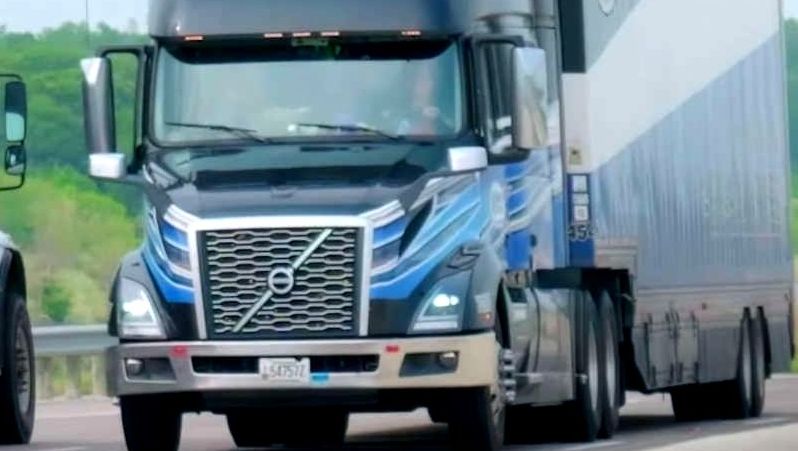
One thing is clear: the hope (if not yet the reality) of cost savings for companies eager to replace human workers with computers who never get tired, ask for a raise, or need to take a sick day will drive major companies to seek out self-driving technology as fast as they are allowed. The next time you see an Uber rideshare, an Amazon or UPS delivery truck, or even an 18-wheeler on the road, there might be nobody at the wheel.
The information on this website is for general information purposes only. None of the information on this site should be taken as legal advice for any individual case or situation. This information is not intended to create, and receipt or viewing does not constitute, an attorney-client relationship.